Green Clean Dailekh—Promoting Climate-Friendly Waste Management through Eco Clubs
Implemented by: SAMBANDHA Nepal
Project Location: Narayan Municipality, Dailekh, Karnali Province, Nepal
Implementation Period: February 2026 – April 2026
Funding/Programme: YECAP Nepal Shakers Fellowship 2026 – Youth Climate Catalysts III
In collaboration with: United Nations Development Programme (UNDP) Nepal and Youth Innovation Lab (YILab)
Green Clean Dailekh was implemented by SAMBANDHA Nepal in Narayan Municipality, Dailekh, under the YECAP Nepal Shakers Fellowship 2026, in collaboration with UNDP Nepal and Youth Innovation Lab (YILab).
The project aimed to promote climate-friendly waste management, strengthen youth leadership in environmental action, and establish sustainable waste management practices in schools and communities. Recognizing the challenges of improper solid waste management, plastic pollution, and limited youth participation in climate action, the project adopted a school-centered and youth-led approach to environmental conservation.
The initiative focused on establishing Eco Clubs in community schools, building students’ capacities on zero-waste practices, promoting waste segregation and composting, and engaging local government and communities in environmental governance.
Major Activities and Achievements
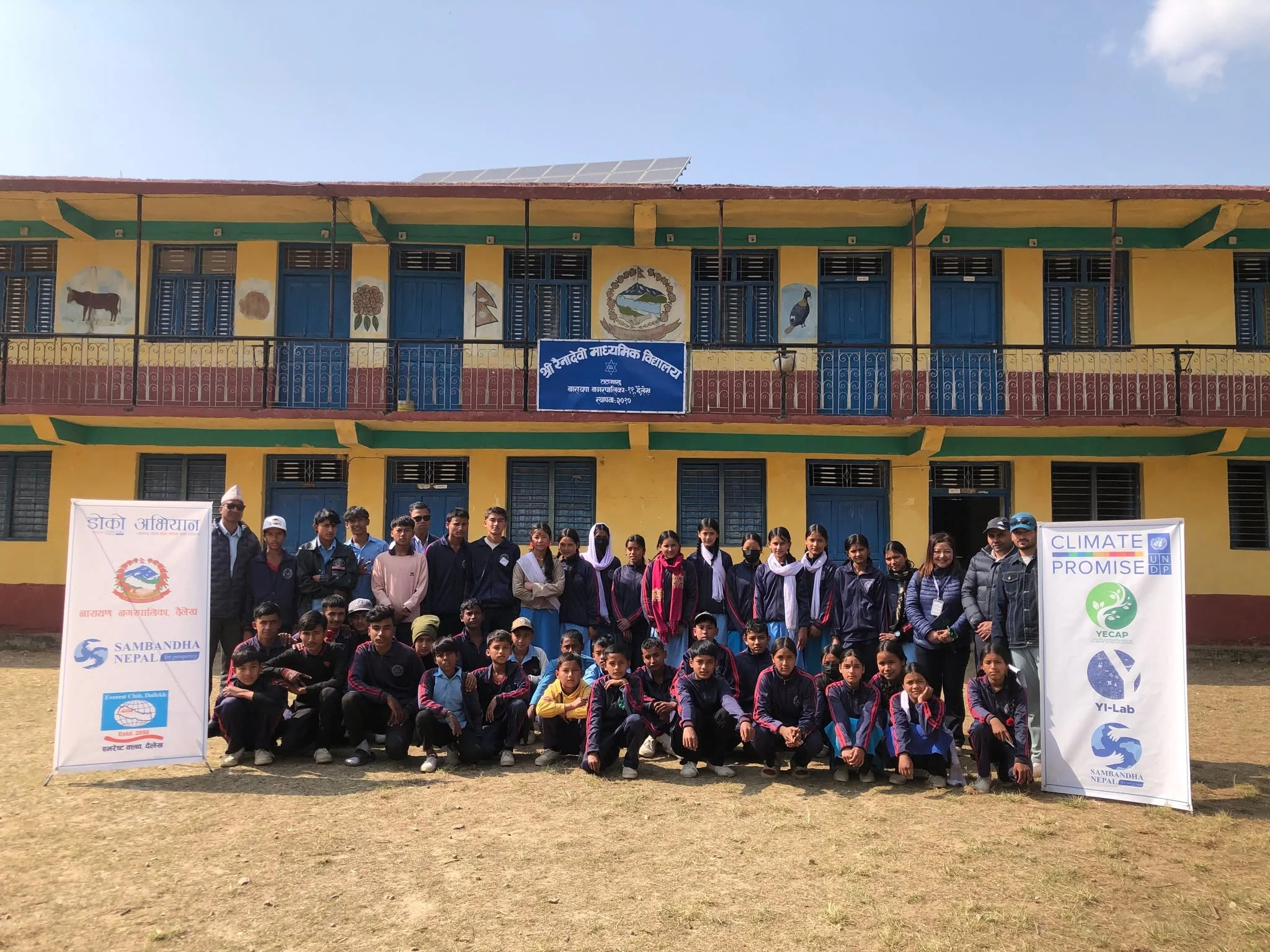
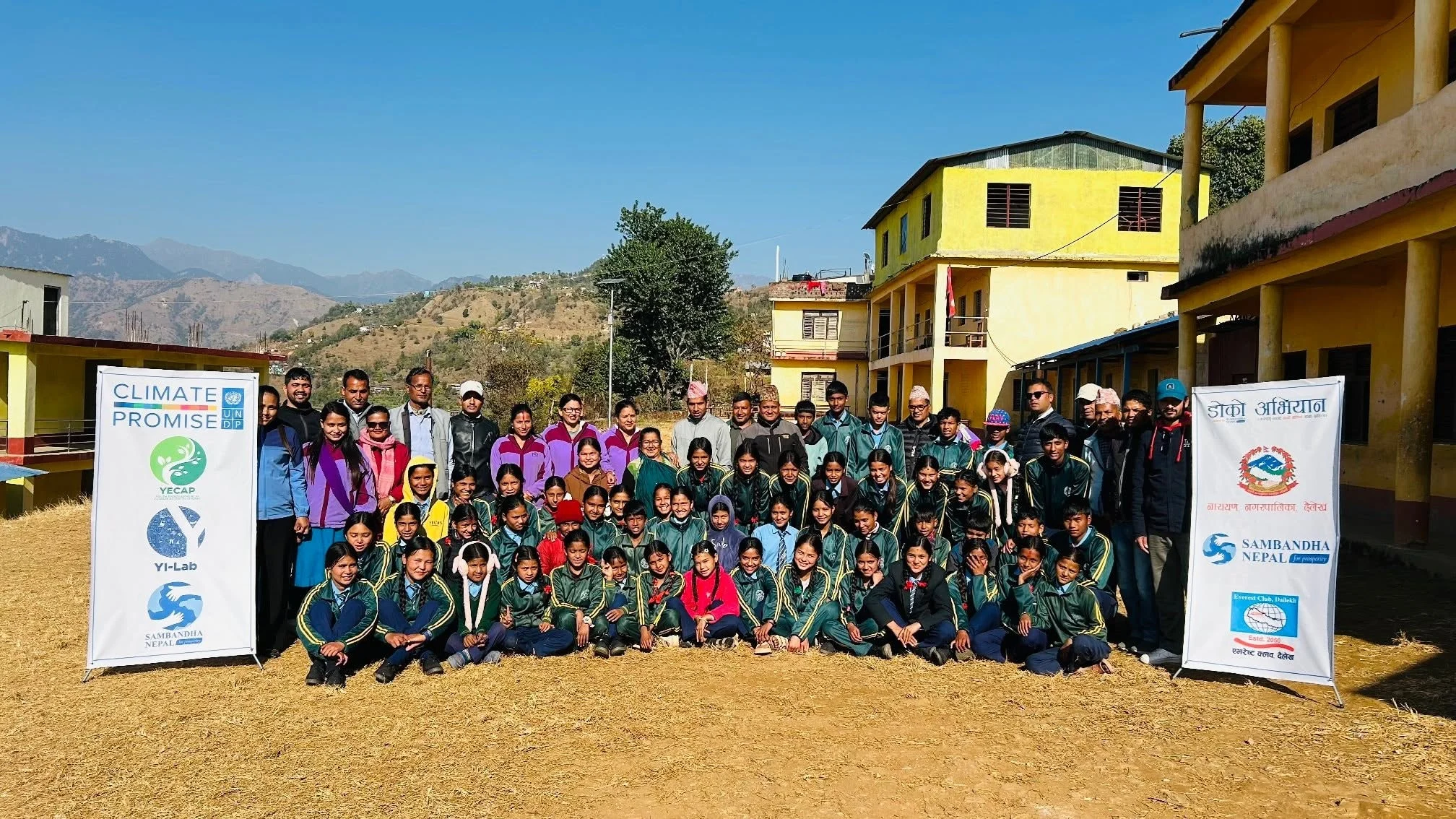
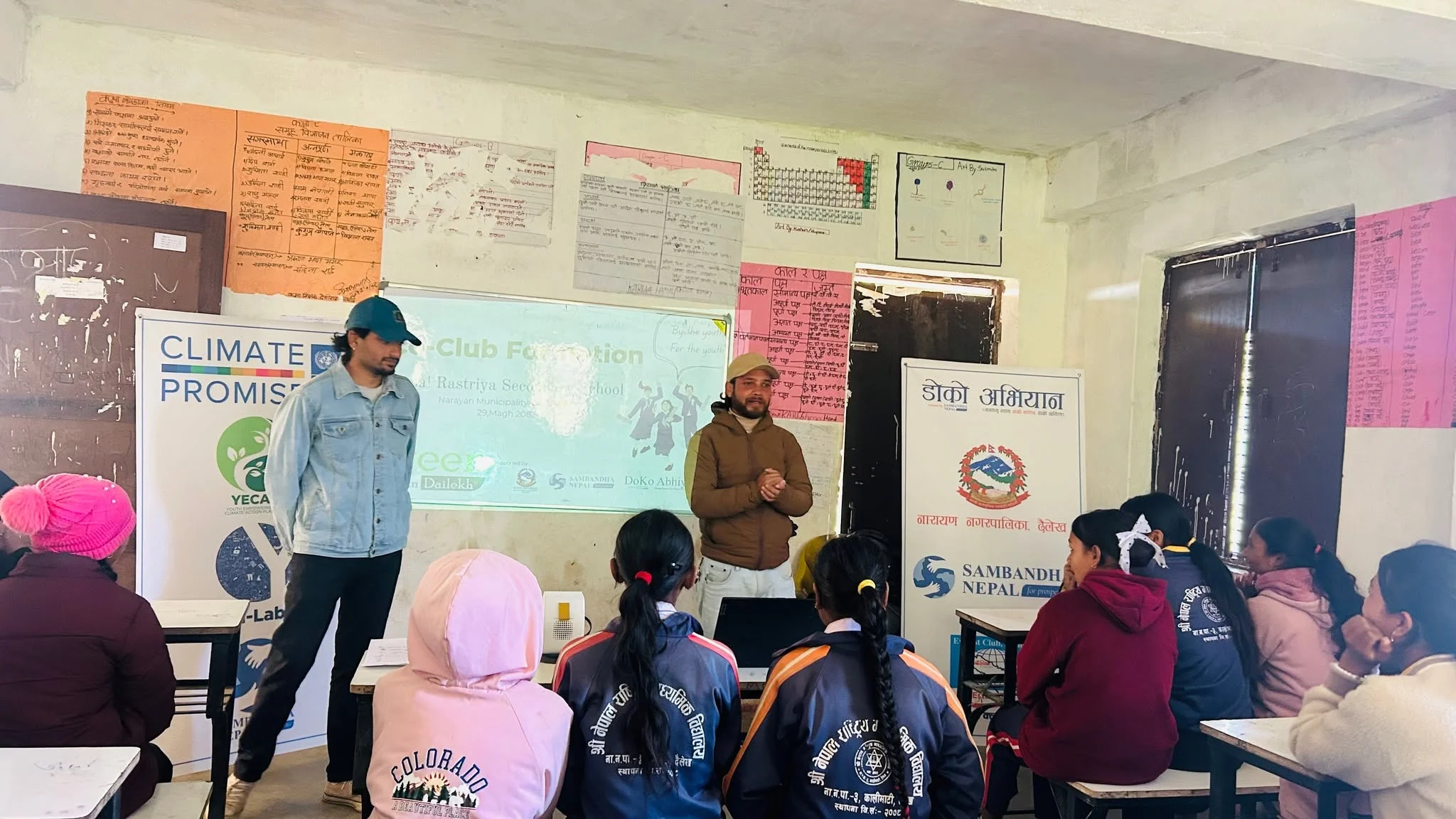
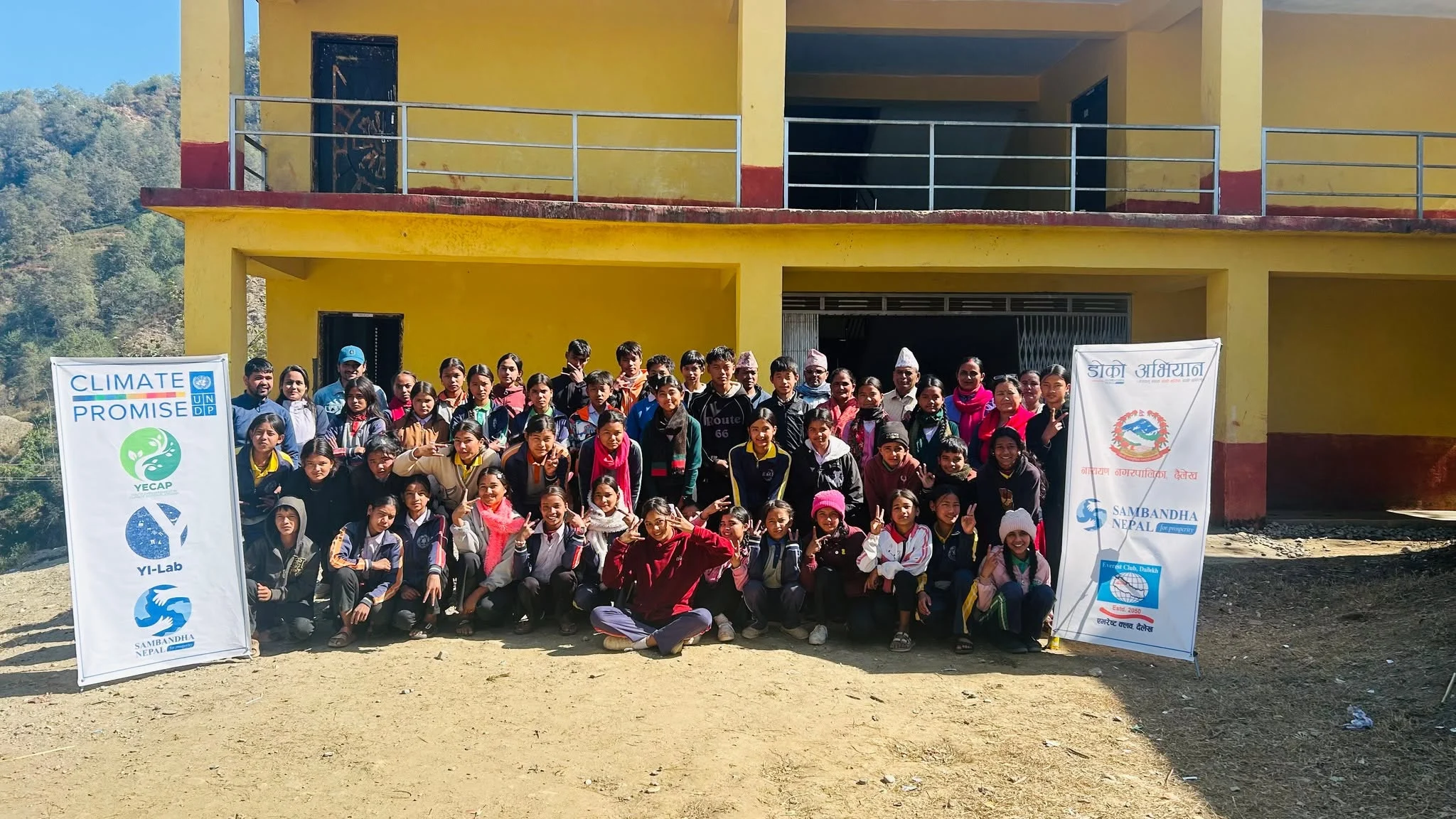
1. Establishment of Nine School Eco Clubs: Formally established nine Eco Clubs across nine secondary schools in Narayan Municipality, creating student-led platforms for environmental conservation, climate awareness, and youth leadership. The clubs reached 635 participants during their formation, including students and school stakeholders.
2. Capacity Building on Zero Waste and Climate Action: Conducted a comprehensive three-day training for 32 student and teacher leaders on waste segregation, composting, the 3R principles (Reduce, Reuse, and Recycle), climate action, annual action planning, and Eco Club management.
3. Formation of a Municipal-Level Eco Club Network: Facilitated coordination among school eco clubs and supported the development of a municipal-level eco club network to strengthen cross-school collaboration, shared learning, and collective environmental initiatives.
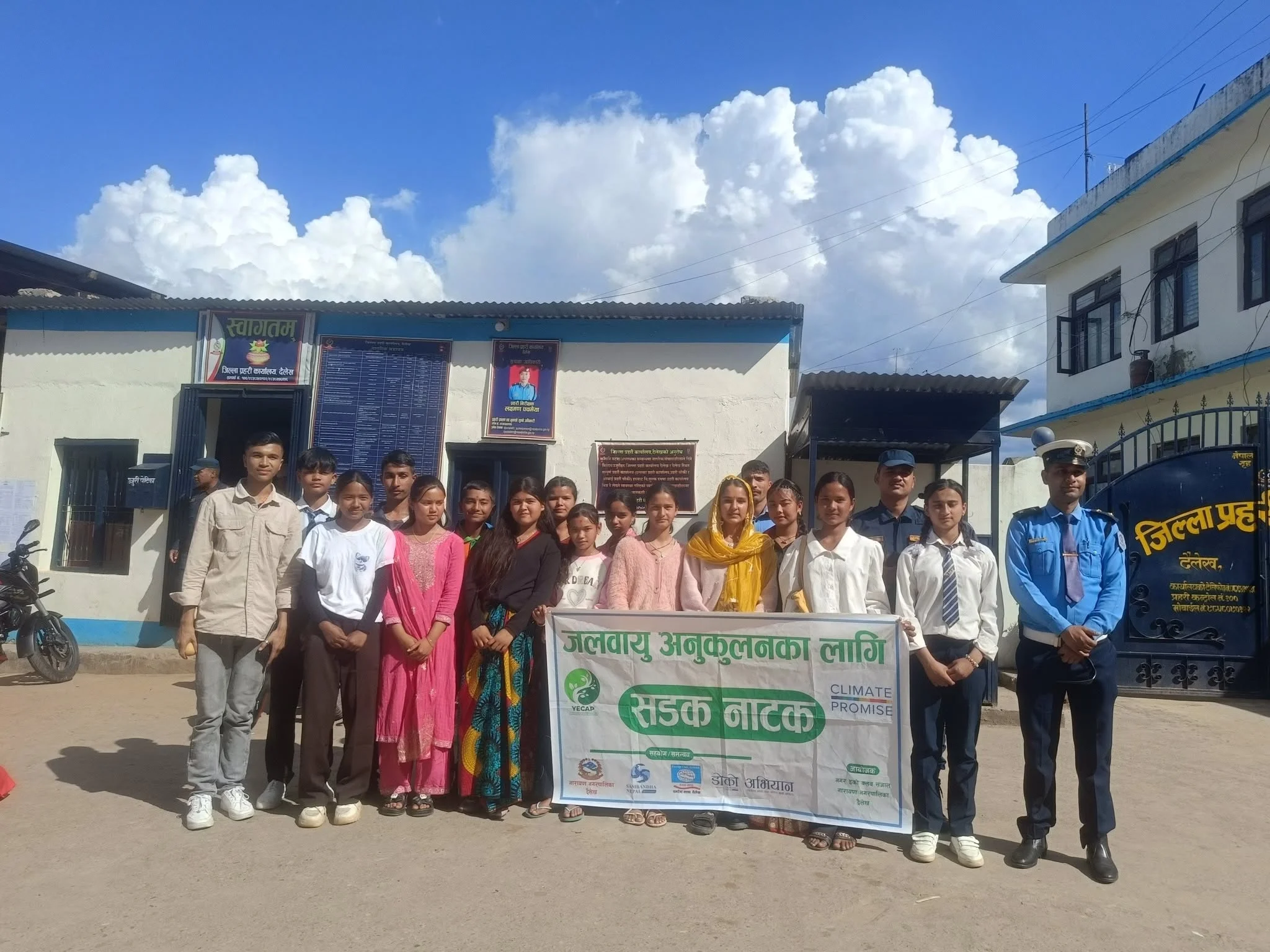
4. Creative Environmental Awareness Campaigns: Organized drawing competitions and street drama performances to engage students and communities in climate and environmental awareness. The drawing competition involved 30 participants at Shree Tribhuvan Secondary School, while 10 student ambassadors performed street dramas at public locations, including Pipal Chautara and Dekendra Chowk.
5. Promotion of Waste Segregation and Composting: Initiated school-based waste segregation systems and promoted composting and responsible waste disposal practices. Students were encouraged to adopt practical zero-waste behaviours in their everyday school activities.
6. Policy Advocacy and Local Government Engagement: Coordinated with Narayan Municipality to integrate environmental initiatives into local governance and institutional systems. A significant achievement was the integration of the Green School Programme Management Procedure 2082 into municipal governance. The initiative also contributed to policy development and advocacy around waste management, forest and environmental conservation, and disaster risk reduction.
7. Inclusive Youth Participation: Reached 748 beneficiaries, including students, teachers, and community members, with approximately 49.6% female participation. The initiative also ensured participation of marginalized groups, including 157 Dalit participants, 66 Janajati participants, and three persons with disabilities.
Key Project Achievements at a Glance
748
Total beneficiaries
9
School Eco Clubs established
32
Student and teacher leaders trained
49.6%
Female participation
Additional milestones
-
635 participants reached during Eco Club formation.
-
30 participants in the environmental drawing competition.
-
10 student ambassadors engaged in street drama.
-
A municipal-level Eco Club Network was formed.
-
Green School Program Management Procedure 2082 integrated into municipal governance.
Overall Impact and Significance
Green Clean Dailekh contributed to establishing a foundation for youth-led environmental governance and climate-friendly waste management in Narayan Municipality. Through the establishment of nine Eco Clubs, capacity development of student and teacher leaders, and community awareness activities, the project helped transform schools into active centers of environmental learning and action.
Beyond behavioral change, the project’s engagement with local government contributed to institutionalizing environmental practices through municipal policies and procedures. The active participation of girls, women, Dalit, Janajati, and persons with disabilities also strengthened the inclusive nature of grassroots climate action.
The project further strengthened SAMBANDHA Nepal’s institutional capacity in climate action, environmental governance, youth mobilization, school-based environmental programming, and policy advocacy.
Long-term Contribution: Green Clean Dailekh established a replicable model of school-based climate action through Eco Clubs, with opportunities for expansion across other municipalities and districts of Karnali Province. By connecting youth leadership, practical waste management, and local policy integration, the project demonstrated how small actions in schools can contribute to wider environmental and climate impact.