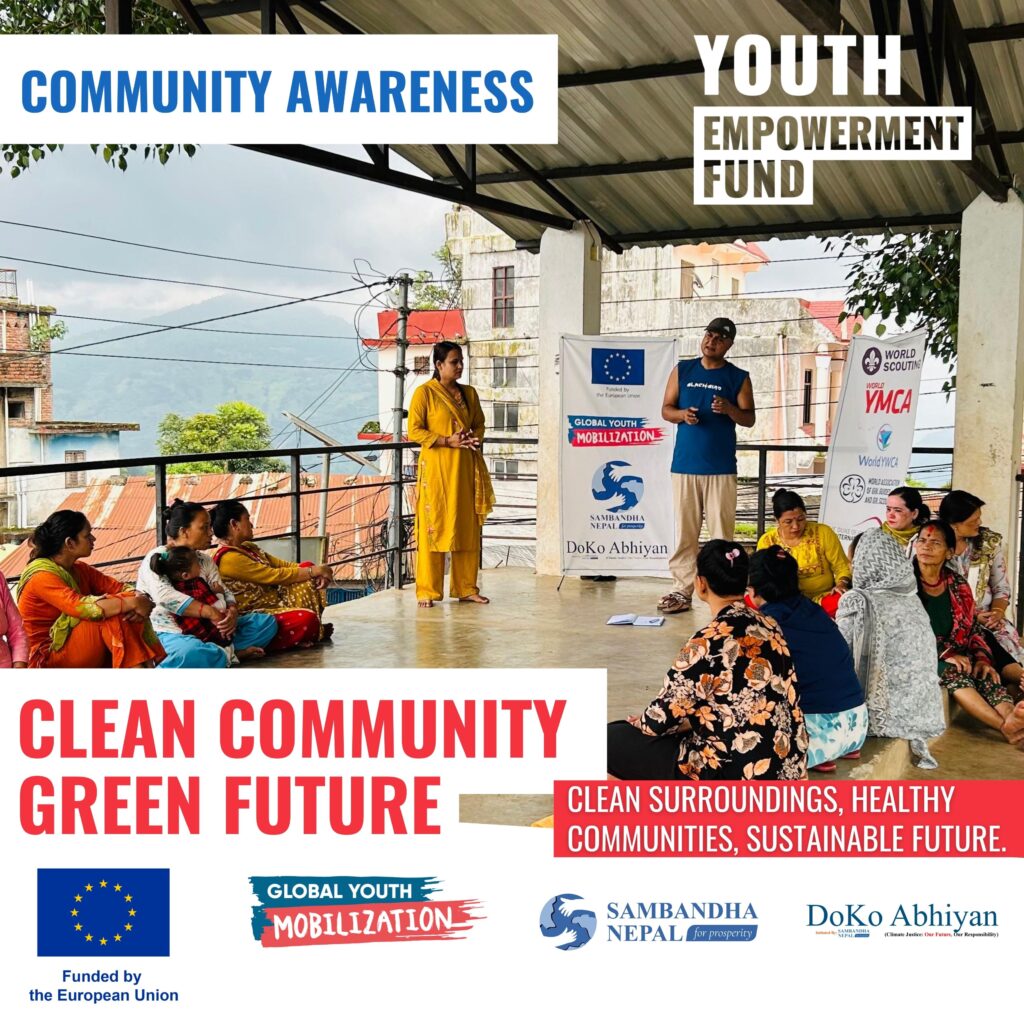
Green Karnali Project: Youth-Led Climate Resilience for GREEN KARNALI
Implementing Organization: SAMBANDHA Nepal (formerly Panchakoshi Jwala Yuwa Pratishthan—PJYA)
Location: Narayan Municipality, Dailekh, Karnali Province, Nepal
Project Theme: Climate Action, Environmental Sustainability, and Youth Leadership
Funding Support: Global Youth Mobilization (GYM) and European Union Partnership
Project Budget: EUR 4,999 (as per the original project application)
Target Reach: 500 individuals, including young people, children, and community leaders
Primary SDG: SDG 13 – Climate Action
Project Background
Narayan Municipality of Dailekh, Karnali Province, is facing growing environmental challenges, including the impacts of climate change, increasing use of single-use plastics, improper waste management, and environmental pollution. The transition towards urban lifestyles is also contributing to the gradual loss of indigenous knowledge, traditional skills, and locally sustainable production practices.
Markets, riversides, public spaces, and agricultural lands are increasingly affected by unmanaged waste and plastic pollution. Although local governments have opportunities to address these challenges through policies and programs, implementation and community-level action remain limited. Similarly, despite provisions and guidelines for Green Schools, many schools have yet to take meaningful environmental initiatives, with greater attention focused on academic activities.
Recognizing the need for collective action, SAMBANDHA Nepal initiated the Green Karnali Project—Youth-Led Climate Resilience for GREEN KARNALI to mobilize young people, schools, communities, and local governments towards a cleaner, greener, and climate-resilient Karnali.
Project Goal
To strengthen youth-led climate action and promote environmental sustainability by making local governments more accountable, encouraging Green Schools, and mobilizing communities to adopt climate-resilient and environmentally responsible practices.
Major Activities
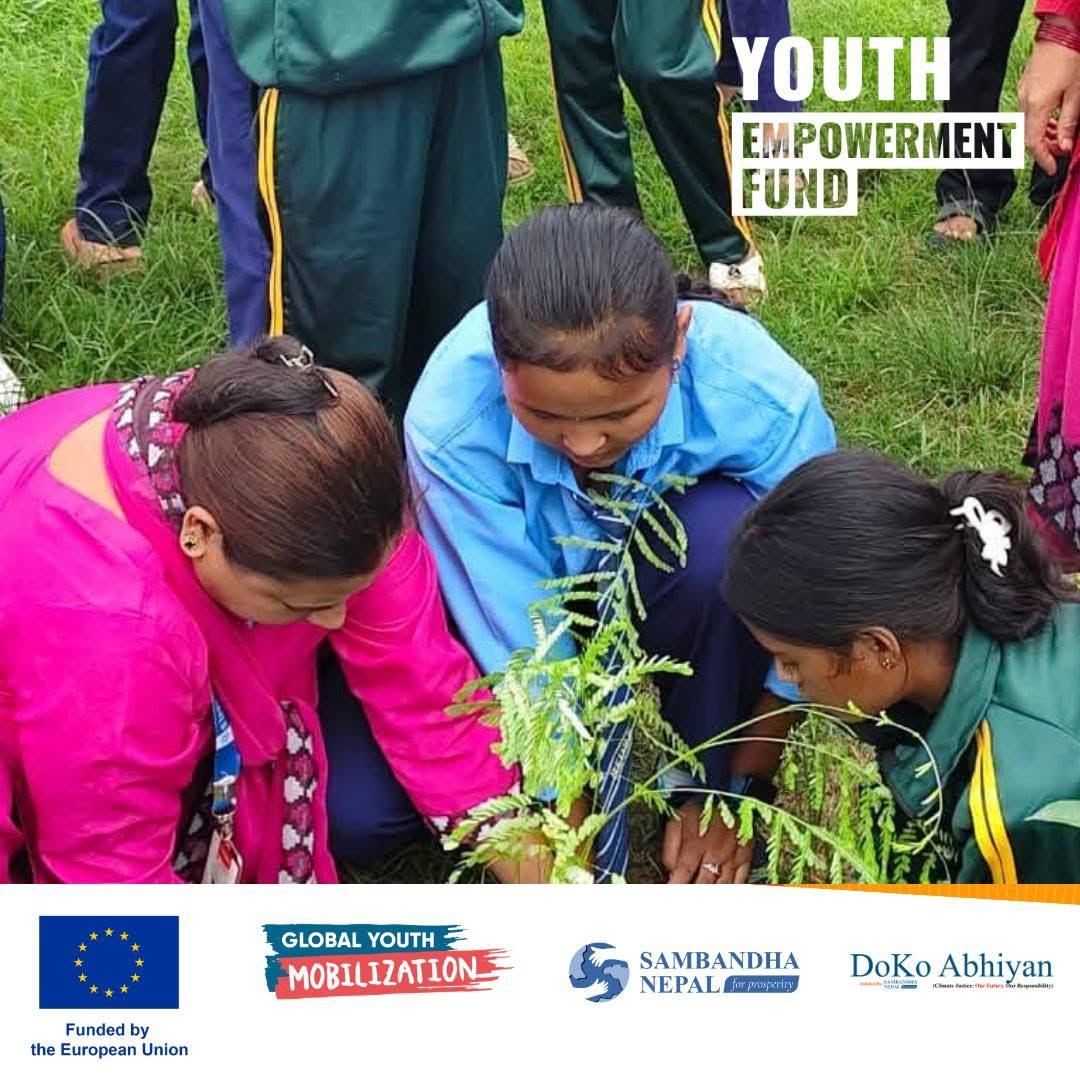
1. Tree Plantation Campaign: Organizing community tree plantation campaigns, distributing saplings to households, and promoting tree protection and conservation.
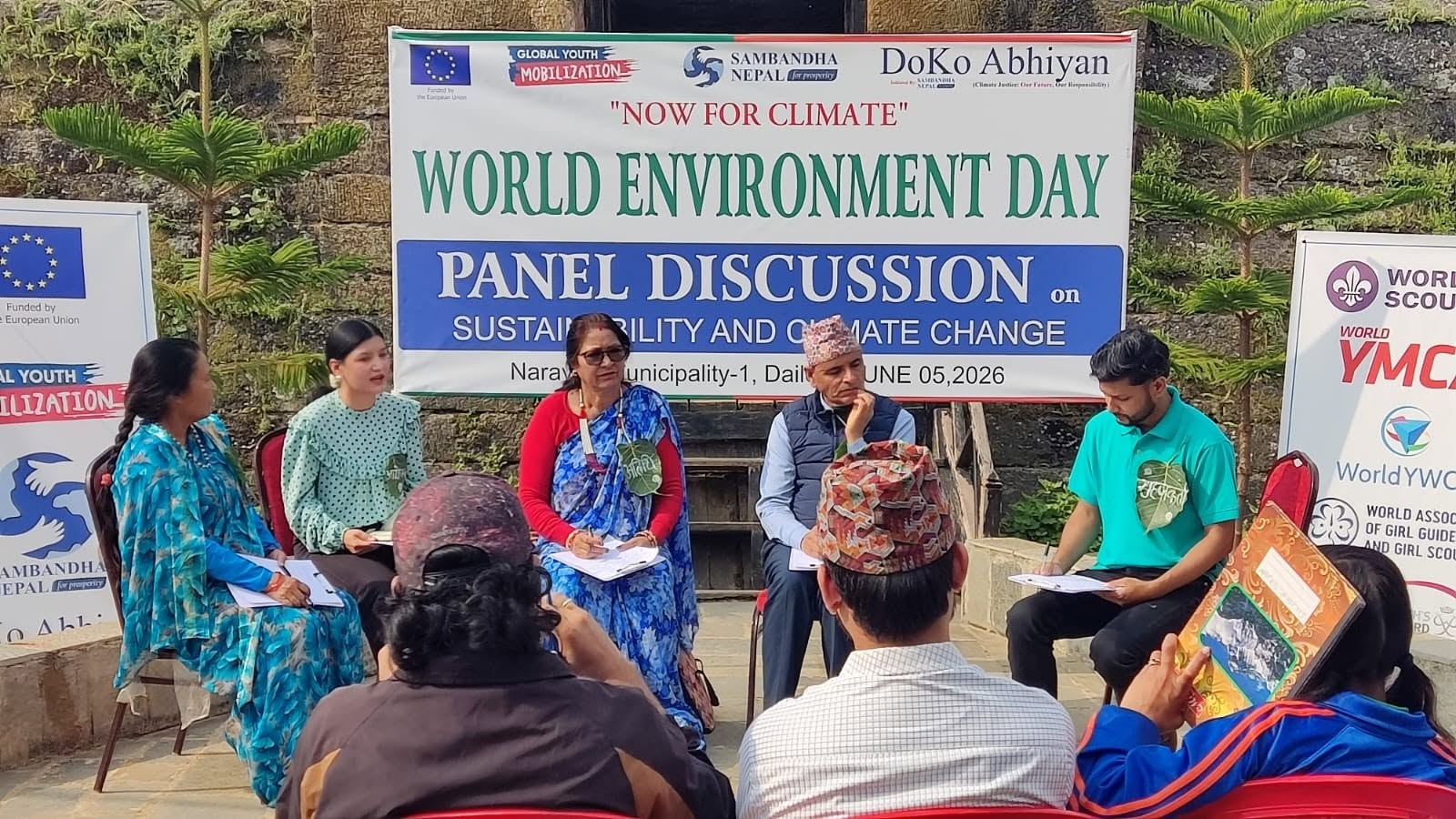
2. Policy Dialogue: Facilitating dialogue and discussions with local governments, elected representatives, and relevant stakeholders to advocate for effective climate policies, programs, and budget allocations.
3. Green Schools: Supporting schools to adopt green school practices through eco clubs and encouraging student-led environmental initiatives. The original proposal targeted two secondary schools.
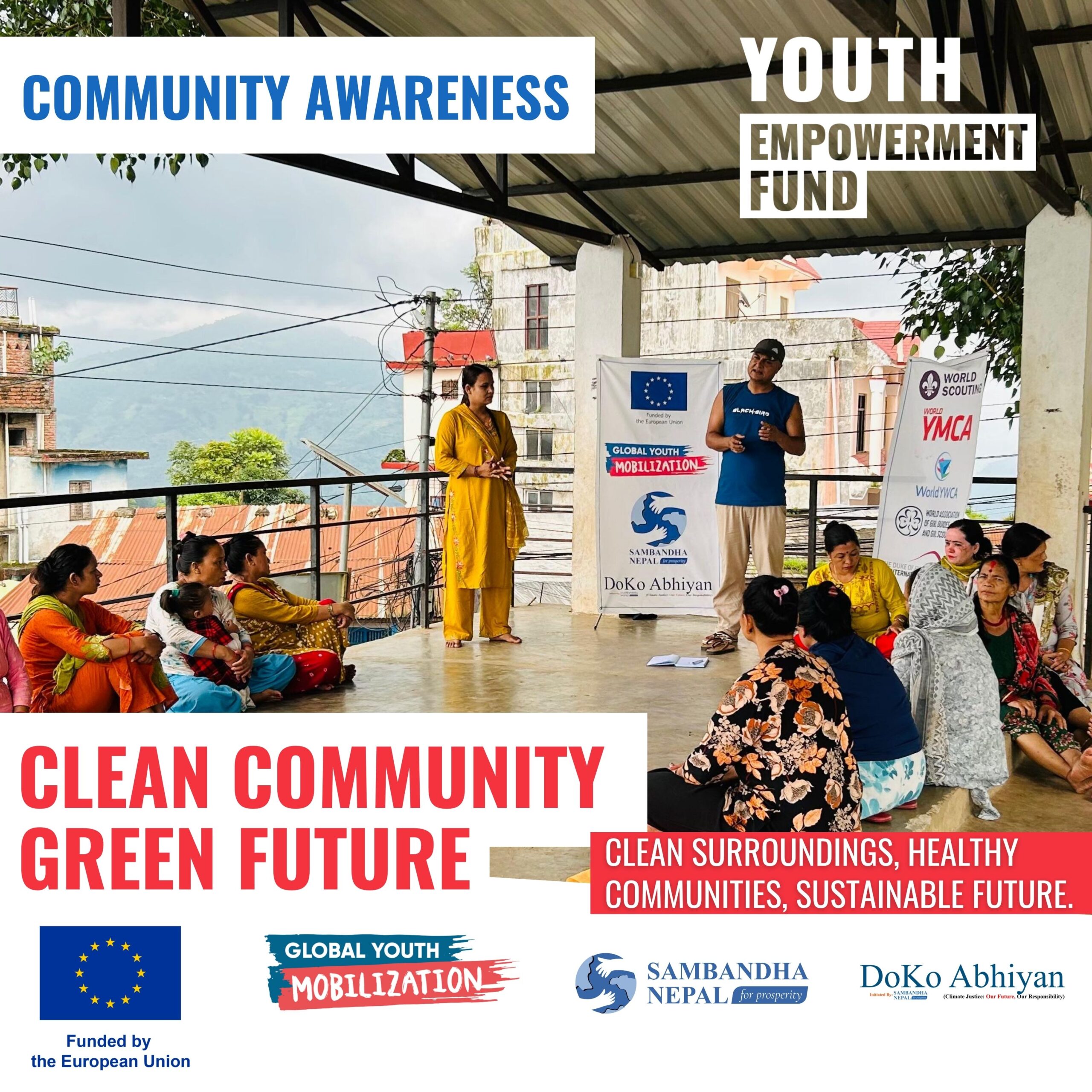
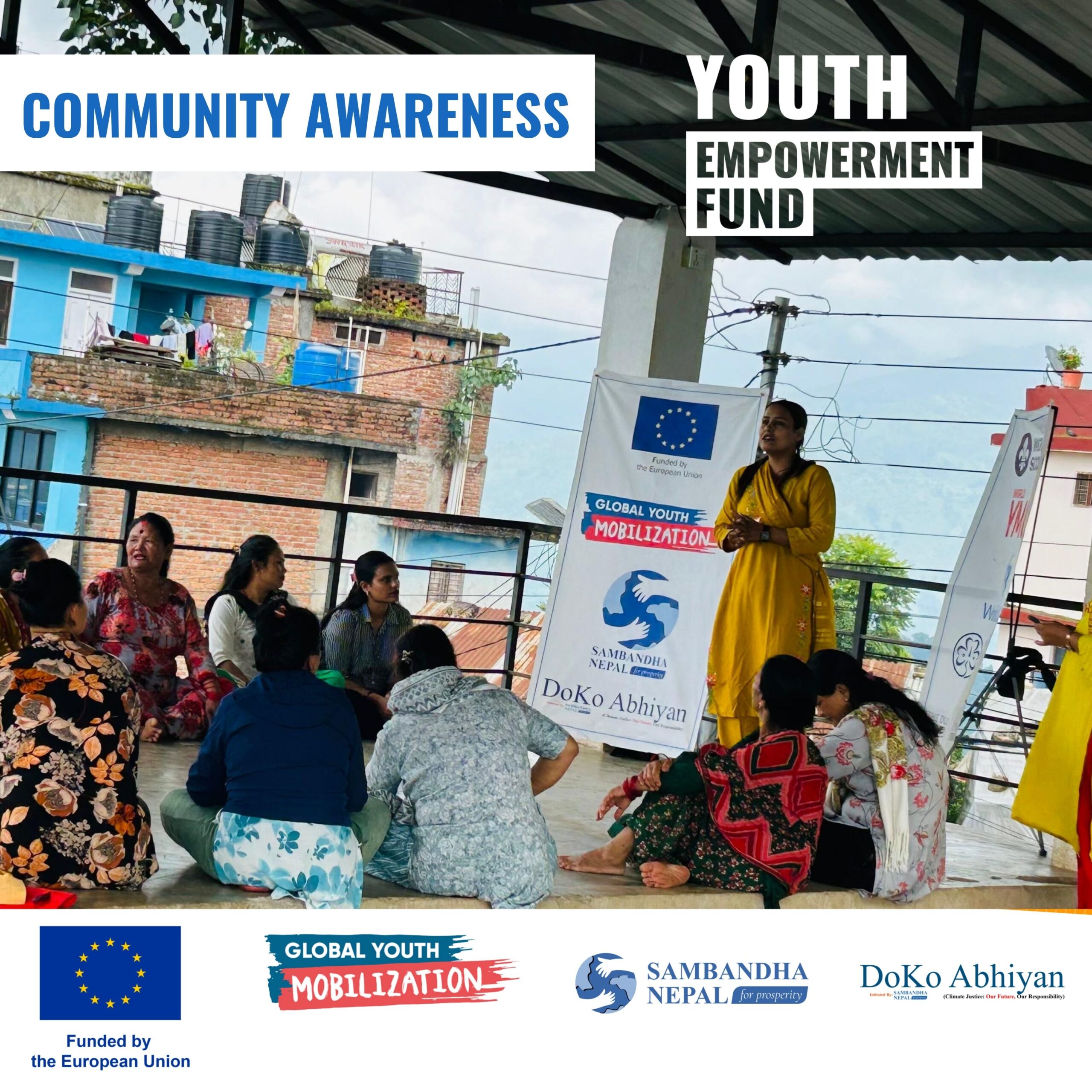
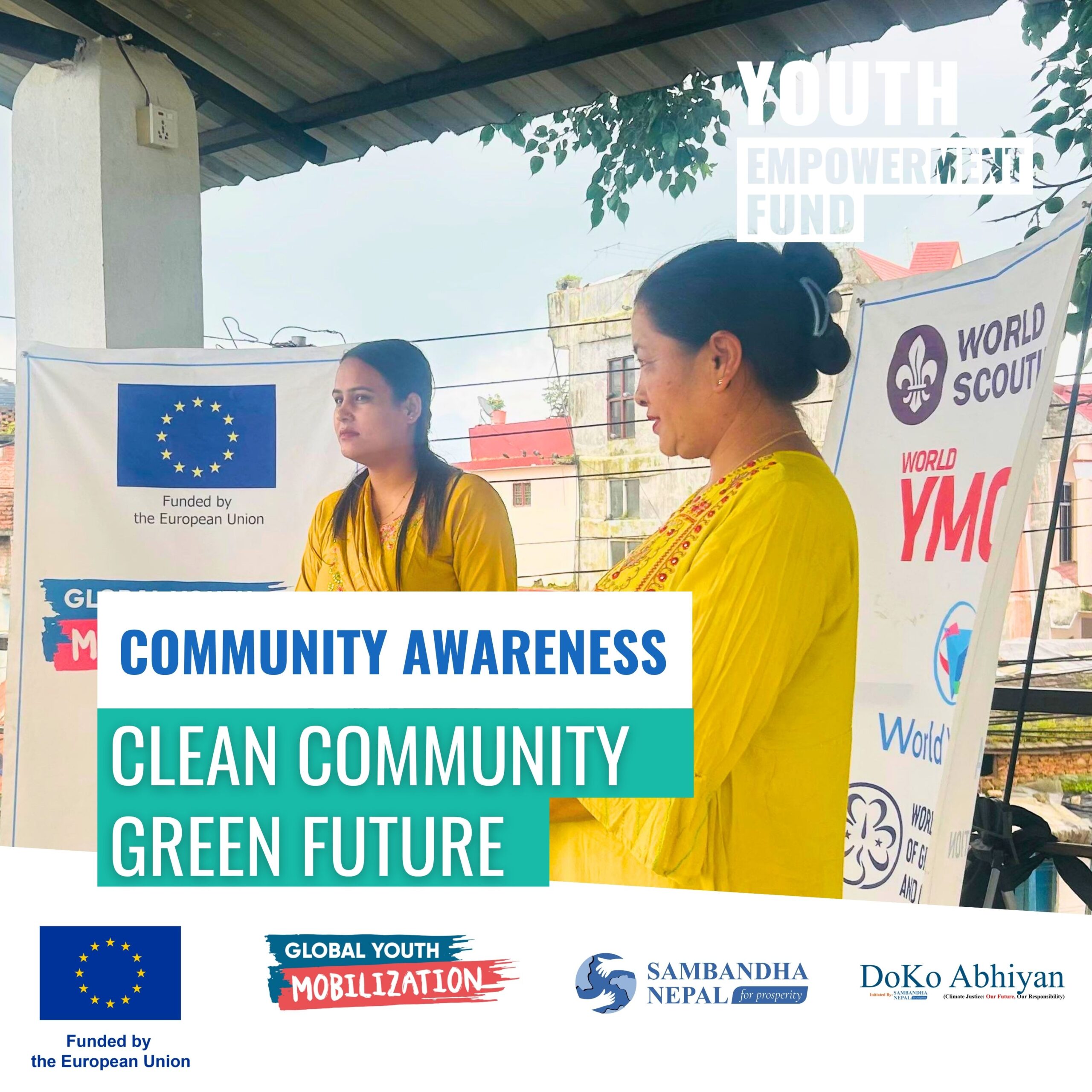
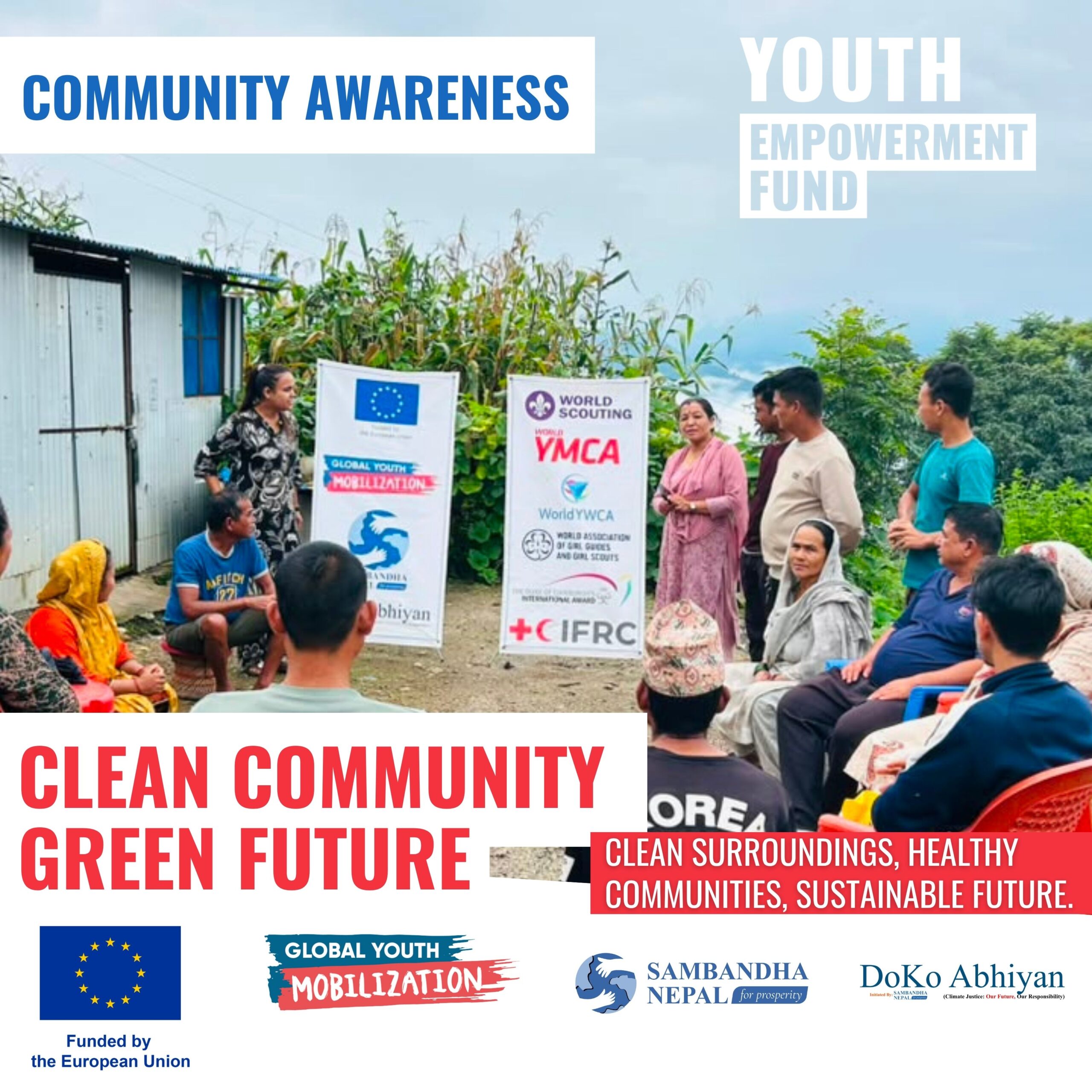
4. Awareness Campaign: Conducting school and community awareness activities and developing Information, Education, and Communication (IEC) materials on climate change, waste management, and sustainable environmental practices.
5. Youth-led Camp for Social Responsibility: Mobilizing young people through practical community activities that encourage environmental responsibility, collective action, and local leadership.
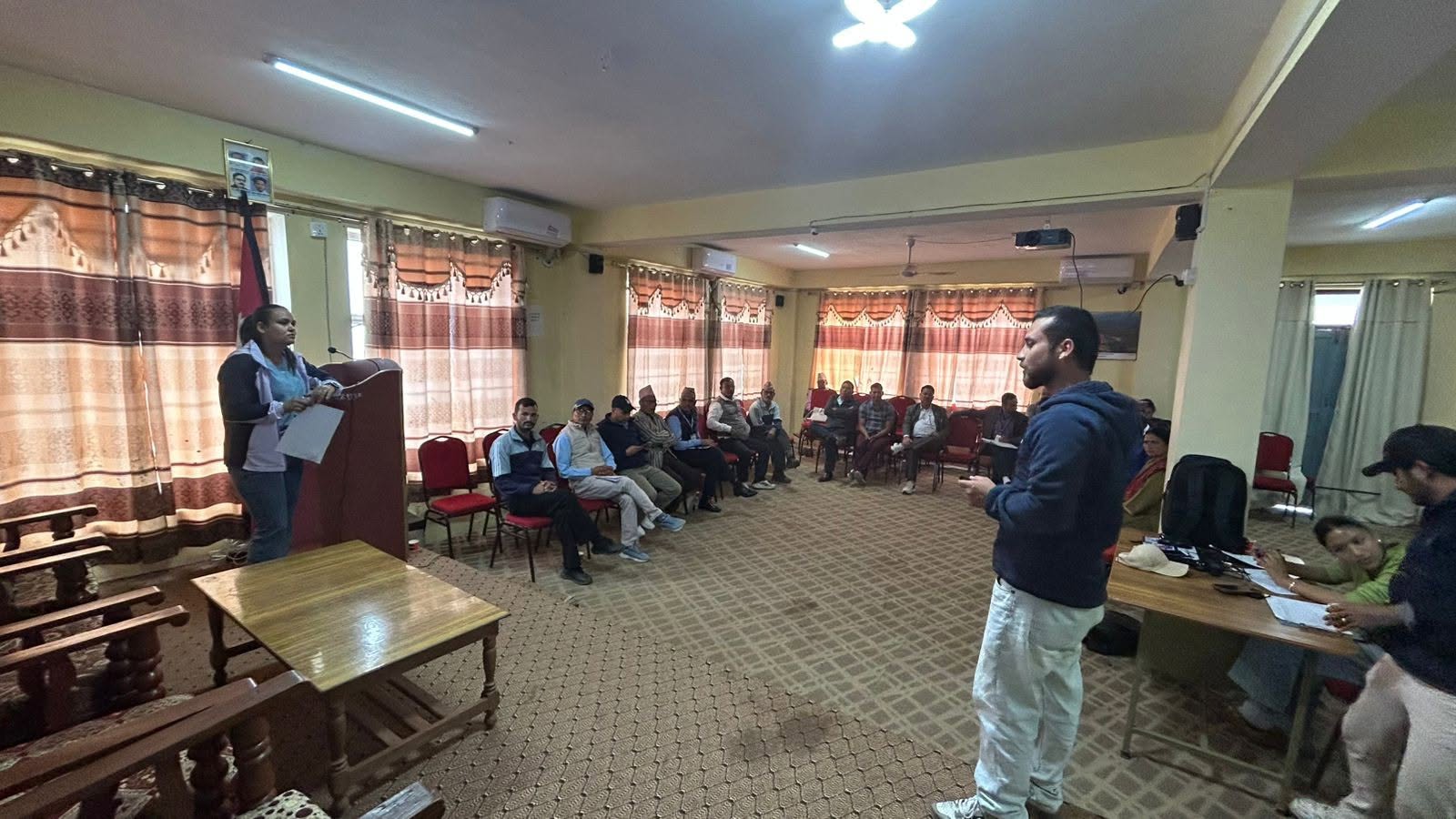
6. Youth Leadership Training: Strengthening young people’s knowledge and skills in leadership, project management, environmental advocacy, and community mobilization. Supporting youth committees to lead and sustain climate initiatives.
7. Actors Mapping for Climate Solutions: Identifying and mapping relevant stakeholders, organizations, government institutions, and community groups to strengthen collaboration, share resources, and avoid duplication of efforts.
Expected Outcomes
-
At least one local government adopts or enacts a climate-related policy and strengthens its commitment through local programs and budget allocations.
-
Two secondary schools adopt Green School practices and initiate student-led environmental activities.
-
Young people become more active in climate advocacy, environmental protection, and local decision-making.
-
Communities become more aware of climate change, waste management, and sustainable environmental practices.
-
Stronger collaboration is established among local governments, schools, youth groups, and other stakeholders.
-
Approximately 500 individuals are directly reached and engaged through project activities.
Youth-led Approach
The project is designed and implemented through meaningful youth participation. Young people are involved not only as participants but also as planners, decision-makers, advocates, and leaders of environmental action. As a youth-led organization, SAMBANDHA Nepal aims to create opportunities for young people to influence local policies, mobilize communities, and take ownership of climate solutions.
Long-term Impact and Sustainability
Green Karnali aims to establish a locally owned and youth-driven approach to climate resilience. By connecting schools, communities, youth networks, and local governments, the project seeks to make environmental action a continuous community responsibility rather than a one-time campaign.
Through stronger local policies, active eco-clubs, responsible environmental practices, and youth leadership, the initiative envisions contributing to a cleaner, greener, and more climate-resilient Karnali Province.